
Across the country, communities are investing millions in sector-based workforce training. Learners are completing programs, employers are surfacing employment needs, and workforce organizations are trying to connect qualified candidates to jobs.
That's good news.
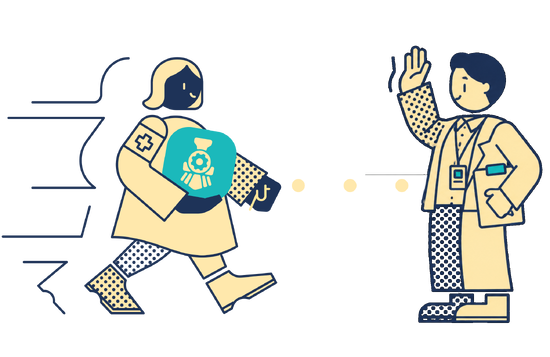
The bad news? Most communities still struggle to turn successful training programs into outcomes at scale.
The challenge isn't that communities don't know how to train talent. It's that too few workforce systems have the ecosystem workforce infrastructure to connect training to employment.
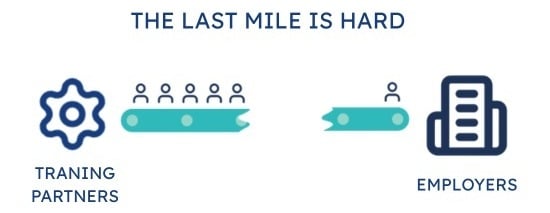
Why? Once a learner completes a program, the path to employment gets fragmented.
-
Job opportunities are scattered across multiple employers and job boards, where training partners may not have visibility.
-
Partners rely on emails, spreadsheets, and manual processes to share and update information.
-
Learners have no clear pathway to connect into jobs.
-
Outcomes are difficult to track, and no single organization has visibility across the entire journey.
Without shared infrastructure, communities face the same challenges again and again:

Last Mile Broken: No shared workflows to connect training completion to employment, and job retention leaving qualified graduates without a clear pathway to successful jobs.
Employer engagement fragmented: Employers have to work with multiple organizations and tools, making it harder to grow participation and build employer-aligned talent pipelines.
Disconnected tools: Manual handoffs and legacy systems create disconnected processes and incomplete data, making it difficult to track and support learners beyond program completion.
Limited visibility into workforce outcomes: data remains siloed, preventing communities from measuring outcomes, demonstrating ROI, and making
Program silos and low scale: programs operate in isolation, making it difficult to scale what works across an entire sector or community.
These aren't training challenges. They're workforce infrastructure challenges that ecosystems face.
What's missing is the layer that connects everyone and everything into one coordinated network.
.png?width=750&height=422&name=Workforce%20at%20Scale%20Final%20(1).png)
Ecosystem Workforce Infrastructure Isn't a Technology Purchase. It's a Strategic Investment.
Let's define the term clearly, because it matters.
What Is It?
This isn't just a job board, applicant tracking system, or learning management system.
Sector-focused workforce infrastructure is the shared digital and data platform that connects learners, workforce organizations, training providers, employers, and workforce leaders into one ecosystem.
How do communities transition to workforce infrastructure?
The good news is they don't have to start over.
Incorporating infrastructure should be low lift, easy to deploy, and designed to strengthen—not replace—the work communities are already doing. At a minimum, workforce infrastructure should:
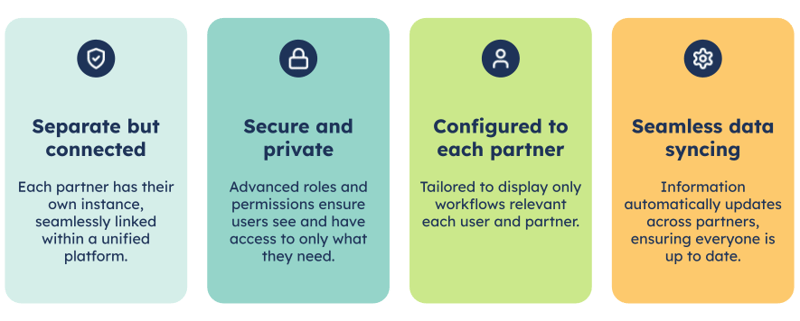
Adapt to existing partner processes rather than forcing organizations to change how they operate.
Work alongside current tools and legacy systems so partners can participate without replacing their technology.
Connect partners through shared workflows that improve collaboration, strengthen employer engagement, and create coordinated placement pathways.
Enable secure data sharing and integration across workforce organizations, training providers, employers, and community partners.
Provide role-based access and permissions so every organization and user sees only the information and workflows they need, protecting sensitive data while enabling secure cross-partner collaboration.
Deliver built-in reporting and analytics that track outcomes across partners, giving everyone the insights they need to measure impact, demonstrate ROI, and continuously improve workforce strategies.
-1.png?width=650&height=223&name=Workforce%20at%20Scale%20Final%20(3)-1.png)
Communities are investing in the infrastructure that connects existing workforce investments into one coordinated system.
This distinction matters. When communities think they're buying software, they often buy a solution to solve one problem or track one segment of data. When they invest in ecosystem-level infrastructure, they're creating the foundation for system-wide collaboration, enabling partners to coordinate end-to-end and deliver impact at scale.
Most importantly, adding technology isn't about replacing programs. It's about connecting them through shared infrastructure so the entire community can accomplish more than any one organization can alone.
How to Build the Ecosystem Workforce Infrastructure
Start with a Hiring Hub Approach
One of the biggest misconceptions is that communities have to build an entire ecosystem before they can begin.
They don't.
Workforce infrastructure for ecosystems isn't an all-or-nothing decision. It's a journey. The most successful communities start with the challenge they're trying to solve today, then expand as employer engagement grows, new partners join, and workforce priorities evolve.
That's why the Hiring Hub approach makes sense.
Rather than redesigning the entire workforce system, Hiring Hubs give communities a practical, scalable way to get started
Communities can start with a single talent pipeline, expand across an industry sector, and or ultimately connect multiple sectors through a community-wide hiring hub approach. Each stage builds on the one before it, creating a flexible, scalable path toward stronger collaboration, greater employer engagement, and lasting community impact.
Implementing Easy Principles for Success
The goal for any of the Hiring Hub, is to launch as quickly as possible. Hiring Hubs are built by connecting what's already working and layering in the technology to automate, streamline, and connect existing workflows and data sources.
Whether you're launching a Single Talent Pipeline, a Sector Hiring Hub, or a Community Hiring Hub, similar implementation principles apply, use these four principles to strengthen collaboration, accelerate adoption, and create lasting workforce impact.
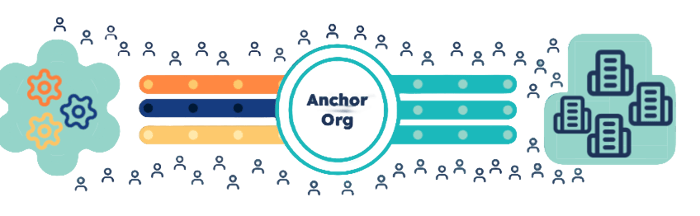
1. Start with an anchor organization.
Before launching a Hiring Hub, identify the organization best positioned to bring partners together. A trusted anchor provides the leadership, employer coordination, and accountability that keep the ecosystem focused on shared workforce outcomes and long-term success.
2. Meet partners where they are.
Not every organization will participate the same way on day one. Some may simply share learner data at training completion, while others may manage the full learner journey, end-to-end. The goal is broad participation—not identical participation. Give every partner a meaningful way to contribute from day one.
3. Build for the last mile first.
The connection between training and employment is where workforce investments deliver their greatest return, or where they break down. Create a clear pathway from training completion to employer-aligned job opportunities. Align partners around shared hiring workflows, engage employers and learners with curated job portals, and track data that follows learners through placement.
4. Measure outcomes from day one.
Training completion is an important milestone, not the finish line. Measure what matters most:
- Employment and placement rates
- Retention and post-placement stats
- Wage progression
- Initiative level and ecosystem-wide workforce impact.
Shared data gives partners, funders, and community leaders the insights they need to demonstrate ROI, improve workforce strategies, and make better investment decisions.
Remember, the best ecosystems aren't built all at once. They're built one connection at a time. A Hiring Hub approach gives communities a practical path to connect training to employment, create employer-aligned talent pipelines, and build the workforce infrastructure needed to scale workforce impact.
Frequently Asked Questions:
Do we have to replace our current tools to build ecosystem workforce infrastructure?
No. That's one of the biggest myths holding communities back. Workforce infrastructure for ecosystems works alongside your existing systems, not rip and replace them. Partners keep the tools they know while a shared layer connects the data and workflows underneath.
What does it actually take to launch a Hiring Hub?
Less than most communities expect. You don't need every partner ready on day one, and you don't need a fully built-out ecosystem to start. Most communities launch with a single anchor organization, one talent pipeline, and a clear last-mile workflow — then expand from there.
Who should lead a Hiring Hub implementation?
Start with an anchor organization: the partner best positioned to coordinate employers, hold accountability, and keep the group focused on shared outcomes. This doesn't have to be a large institution — it has to be a trusted one.
What if some of our partners aren't ready to fully participate?
That's normal, and it's fine. A Hiring Hub is built for uneven participation, so you can meet partners where they are. Some partners may only share learner data at completion; others may manage the full journey end-to-end. The goal is broad participation, not identical participation.
How do we get employers to engage with a Hiring Hub?
Employers don't need another tool to log into or another relationship to manage. With STEAMe’s Hiring Hub, you can give employers curated job portals tailored to their sectors, roles, and career pathways. You can also build shared hiring workflows so they can post needs, review candidates, and track placements in one place instead of across multiple legacy systems. And give them real-time reporting and analytics on their pipeline — fill rates, time-to-hire, retention — so they can see the return on their engagement instead of taking it on faith. The less work it takes an employer to find, hire, and prove out good talent, the more they'll show up.